Author name: inspiresales14@gmail.com

The Future of Social Media Trends in 2026
Uncategorized

The Future of Social Media Trends in 2026

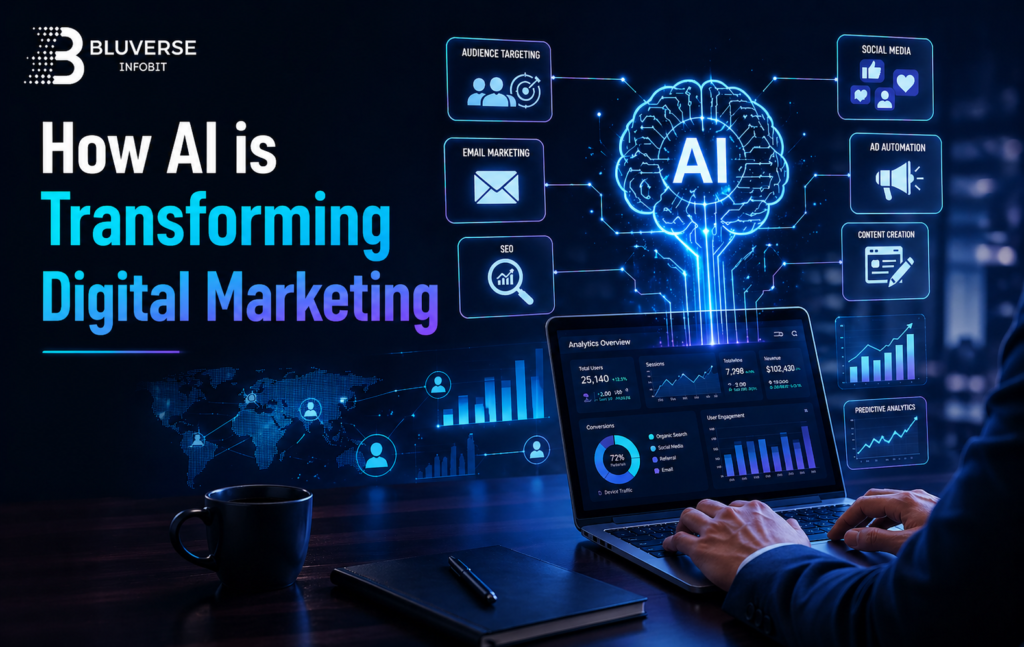
Introduction From a basic communication platform, social media has transformed into one of the most incredibly sophisticated digital ecosystems that define civilizations on so many levels today—how people meet and mingle and what they purchase and consume, rewarding online-based businesses. But with technology evolving constantly, social media channels are ever-adapting to new user behavior, new technologies, and updated marketing techniques. To learn more about what social media looks like in 2026, read on! In this rapidly changing digital landscape, businesses, marketers, content creators, and individuals alike need to keep abreast of the latest trends to stay competitive. In light of this, here is an overview of the top emerging trends that are changing the landscape of social media. Keeping up with these future trends can equip businesses to enhance their marketing, foster engagement, and cultivate a strong online ecosystem. How AI is Transforming Content Creation AI is emerging as a key driver of social media innovation. 2026: AI-powered tools will enable creators and businesses to create content quickly, analyze the behavior of the audience, and customize Google experiences for users. IT will help to write captions, create videos, edit photos, and even make guesses about what type of content is going to work well. Other social media platforms, on the other hand, are expected to make better use of AI algorithms to provide targeted feeds for individuals. For marketers, content strategies will need to be more data-driven, enabling brands to implement campaigns and cross-promote their products or services to the end consumer at the moment of need. Short-Form Video Will Continue to Rule Short-form video content has revolutionized social media, and this trend will continue in 2026. Quick, entertaining videos are getting the preference because they grab attention in no time and promote higher engagement rates. Content that is entertaining, informative, and has a second’s readability. A number of companies now use short videos to showcase products, tutorial videos, storytelling, and behind-the-scenes content. Companies that prioritize creative and authentic short-form videos stand to be rewarded with increased visibility on social platforms. Social Commerce Will Expand Rapidly Social media is an emergent super shopping destination. Social commerce, the ability for users to discover and buy products directly within social platforms, is expected to explode in 2026. Functionalities like in-app checkout, live shopping events, and personalized product recommendations will make online shopping seamless and interactive. Another digital trend of 2024 will be businesses integrating and using social platforms for promotion and as a full-fledged sales channel. This means brands being able to plug e-commerce strategies straight into their social media marketing efforts to increase their conversion rates and customer experience. The Rise and Popularity of Genuine, Community-Generated Content At the same time, users have never been more interested in authenticity. Real and relatable content over glossy advertising. Therefore, in 2026 brands will adopt the way of community-building and user-generated content. They will prompt customers for reviews, testimonials, and personal experiences with their products or services. Online communities built around shared interests will become a vital aspect of social media engagement strategies, enabling brands to earn trust and develop long-term relationships with their audiences. digital impact. The Rise of Immersive Technologies Emerging technologies such as augmented reality (AR) and virtual reality (VR) are transforming social media platforms. In 2026, these technologies will play a bigger role in user experiences. They allow users to interact with digital content in new and engaging ways. For example, users can try products virtually before buying them. They can also explore digital spaces or attend virtual events through social media. Because of this, brands can create more interactive and memorable experiences for their audiences. Moreover, immersive technology helps businesses connect with customers in creative ways. As these tools become more affordable and accessible, more companies will start using them. Businesses that adopt these technologies early will gain a strong competitive advantage. Increased Focus on Privacy and Data Protection Data privacy has become a major concern for social media users. People want to know how companies collect and use their personal information. Because of this concern, social media platforms will introduce stronger privacy policies in 2026. Platforms will offer clearer privacy settings and better data control. They may also restrict third-party access to user data. These changes will help protect personal information and increase transparency. As a result, businesses must adapt their marketing strategies. Instead of relying on third-party data, companies will focus more on first-party data. Building direct relationships with customers will become essential. Trust and transparency will also play a key role in maintaining brand loyalty. The Influence of Micro and Nano Influencers Influencer marketing continues to grow across social media platforms. However, brands are shifting their focus toward micro and nano influencers. These creators usually have smaller audiences but stronger engagement with followers. Their recommendations often appear more authentic and trustworthy. Because of this, many brands prefer working with them instead of large celebrity influencers. Additionally, companies now collaborate with multiple small influencers instead of relying on one major partner. This strategy helps brands reach specific audiences and niche communities. As a result, businesses can build stronger credibility and deeper customer connections. AI-Powered Customer Support and Chatbots Artificial intelligence is improving customer service on social media. Many businesses already use AI chatbots to manage customer interactions. These tools can answer questions, provide product information, and solve common issues quickly. Instant responses improve customer satisfaction and reduce waiting time. Businesses can also handle large numbers of inquiries more efficiently. In the future, AI chatbots will become even smarter. They will deliver personalized responses based on user behavior and preferences. This improvement will make customer communication smoother and more effective. The Role of Social Media in Digital Marketing Strategies Social media remains a powerful tool for digital marketing. In 2026, businesses will integrate social media with SEO, content marketing, and paid advertising strategies. This integration helps companies reach wider audiences and improve campaign performance. Social media platforms also provide advanced analytics tools. These tools help marketers understand

Schema Markup: Improve SEO & Search Rankings
Uncategorized

Schema Markup: Improve SEO & Search Rankings

Introduction Just creating high-quality content is not sufficient to rank in search engines in the current competitive digital environment. To improve the search experience for users, engines such as Google continually update in order to better capture a user’s intent and provide more relevant results. SEO has evolved past keywords and backlinks; businesses need to adapt. Schema markup is one of the most powerful yet least utilized techniques in contemporary SEO. Schema markup allows search engines to glean the context of your content, rather than just what words appear on-page. You can use it to improve how your website shows up in search results, allowing for better visibility and potentially much higher click-through rates. What is Schema Markup? Schema markup is one form or type of labeled data that you can add to your website’s HTML. It utilizes a predefined vocabulary made available through schema. This means that you add structured data using code, e.g., “org,” to help search engines interpret the meaning of your content. Search engines don’t only read your words—they interpret whether your content is representing the following: This structured data helps search engines show rich results (also known as rich snippets) that are visually more appealing on the search engine result page (SERP). Importance of Schema Markup in SEO Search engines want to show the best answer to user queries. Schema markup gives them more clarity on your content, which is why it helps. While schema markup is not a ranking factor, it enhances: The more information search engines have about your site, the more likely it is that they present it in richer formats. Why Schema Markup Is Helpful for Getting Better Rankings 1. Enables Rich Snippets Rich snippets contain extra information, like: These improvements allow your listing to become more appealing and informative, thereby increasing the chances of it being clicked directly by users. A higher CTR often indicates to search engines that a result is appealing enough for users, indirectly aiding rankings. 2. Improves Content Understanding Structured data is used by search engines to understand complex information. Schema Markup clearly defines the following: This lessens confusion and helps your material stand a better chance of being shown in applicable searches. 3. Boosts Local SEO Performance A local business schema is great for local businesses. It can display: This enhances local search visibility and develops trust with prospective clients. 4. Enhances Voice Search Optimization Voice search is on the rise. Structured data is descriptive of your website and helps a voice assistant to understand and extract the right answer from your business. For instance, FAQ Schema and How-To Schema are particularly powerful for optimizing voice search. 5. Increases Authority and Trust When people search for and find rich results through ratings, FAQs, and structured information, your site becomes more trusted. It establishes trust before anyone even clicks your link. What Types Of Schema Markup You Should Implement Below are a few different types. Schema markup that boosts SEO: 1. Organization Schema Sets your company information, logo, and contact details. 2. Article or Blog Posting Schema Ajax helps search engines index content, blog purpose, and author information. 3. Product Schema Shows price, availability, and reviews right in search results 4. FAQ Schema Displays expandable questions and answers in search results 5. Local Business Schema Crucial for enhancing presence in local search results 6. Course Schema Ideal for educational platforms that provide certifications or training programs. How to Implement Schema Markup There are three main formats: The easiest to implement and most used is JSON-LD. It is included inside the tag in the website’s head or body. Steps to implement: Schema can even be implemented by WordPress users through SEO plugins no coding knowledge is required. Common Mistakes to Avoid While implementing schema markup, avoid the following: Wrong implementations may cause your rich results to disappear! How to Measure the Impact of Schema Markup After implementing the schema, monitor the following: Both CTR and impressions improvement are signs of a successful structured data implementation. Schema Markup in SEO: Its Future and Along the Way As search engines are evolving with AI and semantic search capabilities, structured data will be even more important. Search is no longer rooted in keywords; based search engines are shifting to context understanding. The websites that will add schema markup correctly will get a competitive edge over organic search visibility. Conclusion One of the most potent SEO strategies that allow search engines to comprehend your content better is schema markup. It may not directly increase ranking results immediately, but it definitely works to improve visibility, enhance how your site appears in search, increase click-through rates, and strengthen user trust. With how competitive top spots are in search, structured data is the advantage your site needs. When it comes to improving your SEO and search rankings, schema markup is no longer optional—it is critical.

What Is Content Decay? How to Identify and Fix Declining Content
Uncategorized

What Is Content Decay? How to Identify and Fix Declining Content

Introduction Content is considered one of the priceless assets that can be leveraged by any sort of business to grow online. A single good blog post or webpage can continue to attract traffic, create leads, and establish authority for months if not years. But many website owners are surprised to find their best-performing content doesn’t reign supreme indefinitely. Over time, these ranks start dropping, traffic stalls, and engagement slows down. This gradual performance deterioration is referred to as content decay. Content decay is not something that suddenly happens but rather a gradual decline as the digital world changes. As such, simply understanding why it happens and how to correct the issue is vital if you want to achieve long-term SEO success. Understanding Content Decay The concept of content decay describes the fairly normal decline in organic search performance of a webpage over time. A blog that previously appeared on the first page only to subsequently slip down search results, resulting in a decline in traffic and visibility. As search engines constantly strive to provide users with the most useful and current information, this occurs. Not only does new content get published, but industry trends also come and go—making some pages become outdated. Even evergreen content can decay if it is not regularly updated. In other words, content decay is when your content is no longer serving the needs of search engines and users. Common Causes of Declining Content And that brings us to the reasons content starts losing its punch. A big part of that is old information. Statistics, tools, and trends change rapidly, and what was written months ago may no longer reflect reality. The other frequent cause is competition. Allanked search results pages will likely favor newer content that may give stronger insights, better structure, or offer a good user experience. And user intent also changes over time. What seekers looked for a year before might not be what it is today. Moreover, algorithm updates can change ranking priorities to favor freshness and depth over older material. Technical issues, including broken links, sluggish loading speed, or a poor mobile experience, can also lead to reduced performance. How to Identify Content Decay We need to be alerted of content decay well in advance to avoid significant traffic losses. A consistent drop-off in organic traffic over time is one of the most overt signs. Less engaged pages that previously drew visitors. Another obvious sign? Dropping keyword rankings. If your content is not showing top search results anymore, it might have some relevance loss. Declining click-through rates can also indicate that your titles or descriptions aren’t still enticing compared to the opposition. Analytics tools measure performance and let you know which pages need time and attention before it gets too late. Strategies to Fix Declining Content It is usually easier to revive declining content rather than come up with something entirely new from scratch. As a quick fix, consider updating expiring material with new figures and contemporary examples. Improving title tags, heading structures, and internal links are just some SEO elements that can help businesses’ visibility. New sections, visuals, or updated insights can add more value to readers. Resolving technical problems such as broken links, enhancing page speed, etc., are also very significant. Once you get it updated, consider promoting the refreshed content via social media or email to regain visibility. Conclusion Content decay is a natural stage in the digital lifecycle of all content, but that doesn’t have to mean permanent loss. Regular monitoring and timely updating can act as a reviver, bringing declining content back to its powerful performance. This aids in sustainable growth, rather than trying to churn out new material over and over again. With the knowledge of content decay and taking steps to do something about it, sites can continue bringing traffic, withstanding the test of time in terms of relevance while keeping that coveted spot in SERPs over time.

B2B Social Media Marketing: Build a Winning Strategy
Uncategorized

B2B Social Media Marketing: Build a Winning Strategy

Introduction In today’s modern digital world, B2B social media marketing isn’t only an added extra—it is a must-have. Business buyers are intelligent and research-oriented, and they prefer to use the internet when making decisions. Decision makers invest a lot of time on social media, from researching vendors and reading news about technology innovations to reading expert opinions, analyses, and reviews. While this is common in B2C marketing, which tends to be more emotion-based, B2B tries to sell with trust, expertise, and relationships over a longer period of time. And B2B social media strategies that give the impression that they do nothing but add to your follower count simply won’t cut it—they should be working harder, helping you assert authority, over-qualify leads, and support revenue growth. The Rising Significance of Social Media in the B2B Space Social media has changed the way businesses interact with other businesses. Professional platforms like LinkedIn, YouTube, and X (Twitter) have turned into networking hotspots with the decision-makers being active around industry information. Today’s B2B buyer does independent research before they reach out to a sales team. If your brand doesn’t show up as powerful, helpful, and trustworthy on the Internet, they will never even think of adding you to their options. Importance of social presence for businesses: Social media is not just used for communication but also as a strategic growth channel. Understanding the Modern B2B Buyer To get there, you need to know who you’re aiming at. B2B buyers, too, are usually members of a decision-making board, formed by managers & executives and people responsible for the company’s financial situation. Their buying rationale is logical, data-driven, and focused on ROI. In order to reach them successfully, businesses need to work out: Building robust buyer personas will help you shape a message that appeals to your specific audience’s wants and professional goals. Selecting the Right Mediums for the Largest Impact Every social media network is not created equal in the world of B2B marketing. Picking the best platforms lets you get a good return on investment (ROI). LinkedIn Is Still the Most Effective B2B Platform, Perfect for Networking, Generating Leads, and Thought Leadership. Product demos, webinars, and educational content do really well on YouTube. X is perfect for industry talks and chats in real time. Your employer branding and retargeting campaigns can also be supported by Instagram and Facebook. By not diluting resources and investing in platforms your audience are the most active users on, you can see better engagement as well as more effective delivery for, let’s say, double or triple the result. Crafting Value-Driven Content That Converts Content in B2B has to inform before it can sell. Executives and their teams do not need another ad. They need a reason to buy something that changes the way they run their business—for the better, much better. Effective B2B content includes: Consistency is key. Giving valuable advice often roles your company as an advisor, not just another service provider. Building Authority Through Thought Leadership In B2B social media marketing, authority is probably your biggest weapon. If your brand is always posting expert opinions, data that solves a problem, and practical solutions, it becomes something people trust within your space. Inspiring company leaders, founders, and SMEs to share professional experiences and cognitive insights adds a human face to your brand and reinforces an aspect of expertise. This thought leadership slowly creates trust—an important element in long sales cycles. Companies that lead conversations can succeed in gaining new customers Combining Yield and Paid Campaigns for Accelerated Growth Organic tactics work well, but paid initiatives can expedite results. Focused advertising lets companies get in front of decision makers based on job title, industry, company size, and location. LinkedIn Lead Gen Ads, sponsored content, video ads, and retargeting can be used to nurture prospects through the purchase process. With paid promotions, you will be able to get your valuable content served to the right audience and at the perfect time and convert better. For best results an organic/paid hybrid approach is the most effective. Integrating Social and B2Bs in the Sale Funnel B2B purchase decisions often take a lot longer. Your social content needs to be mindful of the buyer’s journey at every stage. Among the awareness stage content, we find educational posts and industry insights. In the consideration stage, case studies and webinars are used as evidence of competency. In the decision stage, testimonials, product demonstrations, and consultation offerings provide a push. When it borders on social networks and sales funnels, this takes on a life of its own as a prime revenue-generating property instead of a simple branding tool. Measuring Success and Optimizing Performance What gets measured can be managed. A winning operation is one that evaluates constantly. Measuring and monitoring progress ensures you are working towards the business outcomes. Important metrics include: Ongoing analysis will allow you to optimize your posts, better target audiences, and get the most for your investment. Making your decisions based on data is what will carry you to lasting success. Conclusion But B2B social media marketing is not as straightforward as dropping posts—it’s about trust building and establishing your authority so that you build lasting business relationships. A sound approach that incorporates audience insight, platform choice, providing value, proving thought leadership, and data-led optimization can turn social into a massive growth driver. In the digital marketplace of today, businesses that use social media effectively do not only compete… they dominate. By emphasizing value, consistency, and tracking results, your brand can create a winning B2B social media strategy that works over time.

Digital Marketing Trends & Predictions for 2026
Uncategorized

Digital Marketing Trends & Predictions for 2026

Introduction Digital marketing is beginning to undergo a shift. In the age of super personalization and choice, as tech advances and expectations increase, companies need a new way to think about what it takes to acquire, engage, and retain customers. By 2026, digital marketing will no longer be about visibility/traffic only — it will focus on intelligence, personalization, automation, and measurable performance. Those organizations that take an early lead to change and reinvention will not only become and remain competitive, but also obtain a significant degree of strategic advantage. This post shares the most pressing digital marketing trends and predictions, poised to steer 2026. 1. AI-Powered Marketing Will Become Strategic Imperative AI is moving from being an ancillary tool to becoming the core marketing engine. AI will run the engine of campaign optimization, predictive analytics and automated content generation in 2026 along with customer journey mapping and advanced personalization. What AI marketing will allow businesses to do: Organizations that incorporate AI into their plans will be more efficient and see better ROI, faster decision-making. 2. Hyper-Personalization Will Redefine Customer Engagement Generic marketing cant any longer cut it. Wants and desires of customers nowadays are not very stable to identify by brand. In 2026, hyper-personalization will include: Personalization powered by data will greatly impact engagement, loyalty and conversions. 3. Privacy-First & First-Party Data Marketing What this means is that, as data privacy measures continue to tighten and third-party cookies decline, brands need to be at the forefront of ethical and transparent data practices. Successful businesses will focus on: Trust will be the dominant competitive advantage. 4. Performance Marketing & Advanced Analytics Marketing spending will be linked more and more to measurable results. In 2026, companies will insist on ROI proof and data-driven decision-making. Key developments include: Interpreting data and optimising for efficient performance will be valuable marketing skills. 5. Short-Form & Interactive Video Expansion Video still rules the digital roost when it comes to engagement. Short, Informative & Interactive Video Content will be Core of Brand Communication Strategy in 2026 Businesses will leverage: Video SEO along with platform-specific optimization will also make content more discoverable. 6. Voice & Conversational Search Optimization With the increase of voice assistants and smart appliances, user search preference now goes towards conversation-like searches. Brands must: Voice search optimisation will be the new SEO extension. 7. Omnichannel Marketing Integration Consumers engage with brands across various digital and offline points of contact. By 2026, frictionless omnichannel will be table stakes. Successful strategies will involve: The integration of ecosystems will make retention deeper and create long-term value in your brand. 8. Influencer Marketing Evolution Influencer marketing will trend toward authenticity and niche communities. You will have more success from micro and nano influencers who have very engaged followings than endorsements from mega celebrities. Brands will prioritize: Engagement and trust are going to trump how many followers you have. 9. Experience-Focused SEO The user experience signals are weighing more in search engines than keyword presence, although it remains a factor. Rankings will be heavily influenced by Core Web Vitals, page speed, mobile-friendly and helpful content. In 2026, SEO will focus on: SEO success will be a compromise between technical precision and good content. 10. Automation Balanced with Human Creativity Although right alongside automation, it will take care of analyzing data and optimizing campaigns, human creative will still not be replaced. There’s no way to fully automate strategic storytelling, brand positioning and emotional connection. The greatest brands of 2026 will be those that marry technical effectiveness to creative invention. Conclusion What will digital marketing look like in 2026? It will be intuitive, personalized, privacy-centric, and performance-driven. Based on insights from industry experts, artificial intelligence, advanced analytics, first-party data strategies, and omnichannel integration will fundamentally transform how brands connect with consumers. However, technology alone is not the complete solution. Sustainable growth will depend on the right balance of data, strategic planning, and authentic communication. Companies that proactively adapt to these emerging trends will gain a strong competitive advantage in the rapidly evolving digital landscape. The future of marketing is not just digital — it is intelligent, integrated, and insight-driven.

Scroll to Top